
Build an approval‑ready credit profile
Understand what’s driving your credit decisions, identify items that may be unfair or inaccurate, and take a structured next step toward stronger approvals and better terms.
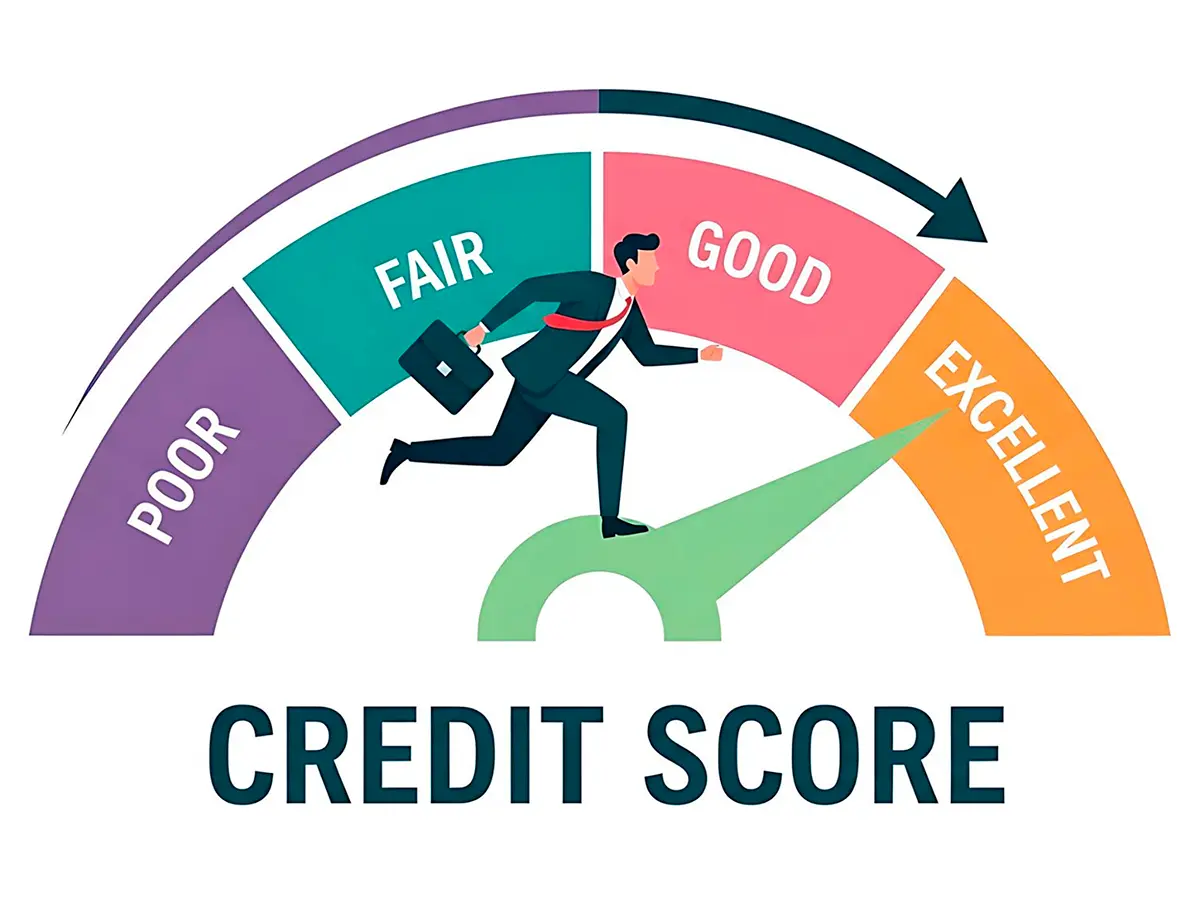
Built around established U.S. credit reporting practices and dispute procedures under the Fair Credit Reporting Act (FCRA). No unrealistic promises—just clarity, documentation, and structured credit improvement.
Unlock more options
Choose the outcome you care about. We’ll outline what improves it—and what to watch for—so you can move forward with confidence.
Your path to stronger credit
A stronger credit profile can mean better approval odds, improved loan terms, and more financial flexibility. Get a clear, no-fluff overview of what credit improvement can help you achieve — then take the next step when you're ready.
Credit decisions in the U.S. are typically influenced by payment history, utilization ratios, account age, recent inquiries, and the accuracy of reporting across major credit bureaus.
Even small inconsistencies can affect lending algorithms. A structured credit improvement approach focuses on verified data, responsible usage patterns, and consistent financial behavior.
*Results vary. This page does not guarantee outcomes.
How it works
A straightforward workflow used by reputable credit‑support programs: review, challenge what’s questionable, and build stronger habits while updates are processed.

Review your starting point
Clarify your goal and look at what’s currently affecting approvals and terms.

Identify what can be challenged
See what information is typically needed, what to expect next, and how the workflow usually looks.

Move forward
Continue to explore available options and take the next step toward better credit outcomes.
best way to fix credit with steady, visible progress
I work inside credit files, not theories. The best way to fix credit is a repeatable system: measure precisely, correct what's wrong, rebuild what's thin, and protect the progress. No magic - just control, timing, and proof. Actually, there is one near-magic lever, but we'll get to utilization in a moment.
Start with your data
Pull all three reports and read every line. Scores follow facts, so fix the facts first. I map issues by type - identity errors, late pays, collections, charge-offs, public records - then act.
- Collect everything. Download full reports. Verify names, addresses, and account ownership. A wrong middle initial can connect you to someone else's debt.
- Sort negatives. Mark what's inaccurate, what's outdated, and what's valid but fixable.
- Dispute with evidence. Send clear, specific disputes: dates, amounts, why it's wrong, and proof. Skip canned letters; they read like spam.
- Negotiate the legit stuff. For valid collections, settle purposefully. Ask for pay-for-delete or a deletion after settlement. Get it in writing before money moves.
- Lock in on-time payments. Autopay at least the minimum. Add calendar nudges for statement dates. One late can erase months of wins.
Act on balances that move scores fastest
Utilization - the balance-to-limit ratio on revolving accounts - can swing scores quickly. Under 30% is fine; 1 - 7% on reporting day is better. You can't speed time, but you can schedule payments so the statement reports a low number.
- Pay mid-cycle. Don't wait for the due date; pay before the statement cuts.
- Request soft-pull limit increases. Same debt, larger limit, lower ratio. Ask first if it's a hard pull.
- Zero out small cards. Fewer cards with tiny balances beats many with token charges.
Timeline and expectations
Credit repair isn't fast. Slight correction: utilization changes can show up within a week of the statement closing. Disputes usually resolve in 30 - 45 days. New positive lines need 3 - 6 months to mature. Old negatives lose impact with age, especially after two years.
Real-world checkpoint
At a rental counter a client's card initially declined. Two months earlier we'd opened a secured card, kept it under 10%, and set her cell bill to report as on-time. After a mid-cycle payment posted, the clerk reran the card. Approval went through, and the deposit requirement dropped. Not dramatic - just the quiet effect of utilization and fresh positives.
Tools that help without gimmicks
- Secured card with low utilization and autopay.
- Credit-builder loan for installment mix and on-time streak.
- Authorized user on a seasoned, low-utilization account (only if perfect history).
- Emergency buffer so a flat tire doesn't become a late payment.
- Credit freeze to block surprise hard inquiries; thaw briefly when you apply.
Avoid common traps
- Paying a collection without asking for deletion language first.
- Closing old zero-fee cards. Well, unless an annual fee drags you; then downgrade instead of closing.
- Shotgun disputes on everything; it can backfire. Be accurate.
- Too many applications in a short window; space them.
- Ignoring medical bill errors; they're uniquely fixable with documentation.
- Not keeping records. Save every letter, screenshot, and receipt.
Take control, not chances
Run a 15-minute weekly routine: check balances, schedule mid-cycle payments, track disputes, and note changes. If a dispute removal temporarily dips your score because an old account's age vanished, don't panic - the trendline improves as positives season. The best way to fix credit is simple, visible progress you can prove. Control the data, the dates, and the dollars, and the score follows.
The fastest way to repair your credit is by paying off any outstanding revolving debt as soon as possible. Then, consistently pay off your ...
Pay bills on time: If you want to fix bad credit, you need to start paying all of your monthly bills on time, period! If you're behind on any ...
Use a reputable credit repair service - Prioritize and pay outstanding debt - Explore secured credit cards - Become an authorized user - Develop a ...
Frequently asked questions
A clear next step — without the guesswork
See what’s impacting approvals and what may deserve a closer look.
Understand how disputes are structured and what documentation matters.
Improve utilization, consistency, and long-term credit stability.
See what improving your credit could change
Take a structured next step based on your current profile — and decide with clarity.